The Role of a Sugar-Free Diet in Weight Loss and Management
In the fast-paced lifestyle of Bangalore’s corporate and tech hubs, long hours and stress often lead to convenient, high-sugar choices — from morning filter coffee with added sugar to evening sweet lassis and processed snacks.
However, excess refined sugar is one of the biggest roadblocks to sustainable weight management. Adopting a sugar-free or low-sugar diet is a proven strategy to accelerate fat loss, optimize metabolic health, and maintain steady daily energy levels.
The Science: How Sugar Sabotages Weight Loss
When you consume refined sugars and simple carbohydrates, your body rapidly breaks them down into glucose, triggering a sharp spike in blood sugar.
High Sugar Intake → Blood Sugar Spike → Insulin Surge → Fat Storage & Crashes
- Insulin Release & Fat Storage: High blood sugar prompts the pancreas to secrete insulin, the primary storage hormone. Elevated insulin signals the body to store excess glucose as body fat and inhibits lipolysis (the breakdown of fat for fuel).
- The Energy Crash Cycle: Rapid blood sugar spikes are followed by steep drops (hypoglycemia), triggering intense sugar cravings, brain fog, and overeating just hours later.
- Visceral Fat Accumulation: According to the Indian Council of Medical Research (ICMR), urban Indians exhibit high rates of visceral adiposity (belly fat). Excess fructose specifically promotes fatty liver accumulation and visceral fat gain.
Key Benefits of Eliminating Refined Sugar
Transitioning to a sugar-free diet fundamentally transforms how your body processes fuel:
- Primary Fuel Source — High-sugar diet: constant glucose stream. Sugar-free/low-sugar diet: stored body fat utilization.
- Satiety & Hunger — High-sugar diet: leptin resistance, frequent hunger. Sugar-free/low-sugar diet: stable hunger hormones (ghrelin).
- Energy Levels — High-sugar diet: peaks and crashes throughout the day. Sugar-free/low-sugar diet: sustained physical and mental stamina.
- Inflammation — High-sugar diet: high systemic inflammation. Sugar-free/low-sugar diet: reduced markers of chronic inflammation.
Actionable Steps to Go Sugar-Free in Bangalore
1. Identify Hidden Sugars in Indian Foods
Refined sugar hides behind subtle names on nutritional labels. Watch out for ingredients ending in “-ose” (dextrose, fructose, sucrose), high-fructose corn syrup, maltodextrin, and sweetened condensed milk. Common culprits include:
- Commercial breakfast cereals and flavored yogurts
- Bottled fruit juices and energy drinks
- Standard cafe beverages and pre-packaged sauces/chutneys
2. Swap Refined Sugars for Whole Foods
Instead of relying on synthetic artificial sweeteners, transition your palate to natural sweet sources paired with fiber:
- Replace sugary snacks with soaked almonds, walnuts, pumpkin seeds, or roasted makhana.
- Satisfy sweet cravings with low-glycemic fruits like berries, green apples, and papayas in moderation.
- Flavor naturally using cinnamon, cardamom, nutmeg, and vanilla bean.
3. Pair Protein and Fiber with Every Meal
Fiber slows down sugar absorption, while protein increases satiety hormones like GLP-1. Ensure your meals include sources like paneer, tofu, lean meats, sprouts, and leafy greens to prevent glucose spikes.
Fuel Your Sugar-Free Journey with The Kenko Life
Elimination diets sound simple on paper, but avoiding hidden sugars while cooking or ordering out in Bangalore can be challenging.
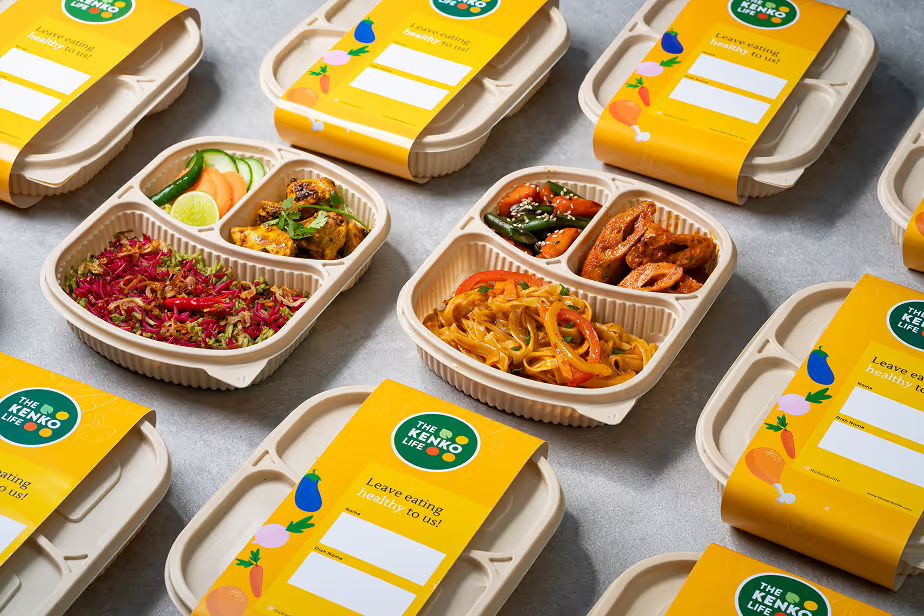
At The Kenko Life, we take the hassle out of healthy eating. Our nutritionist-designed, chef-crafted meal subscription plans deliver delicious, sugar-free, high-protein meals directly to your home or office across Koramangala, Indiranagar, Whitefield, HSR Layout, and beyond.
Whether you are aiming for fat loss, diabetes management, or peak athletic performance, our macro-balanced meals help you stay on track effortlessly.
Take control of your health today. Visit The Kenko Life to explore our sugar-free and low-carb meal plans tailored for your body goals!

Start Your Plan


Talk to us